021 052 6454 142 Marshland Rd, Shirley, Christchurch

What We Offer

Services

We offer a wide range of dental services… click any option below to read more

Services

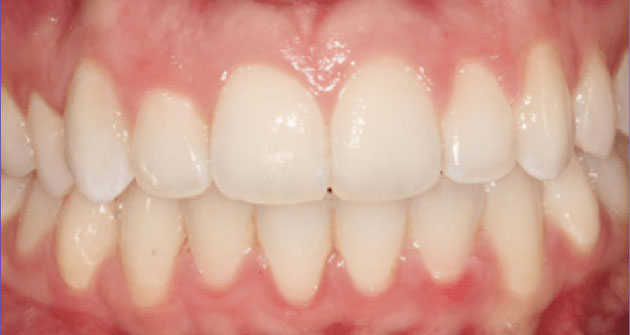
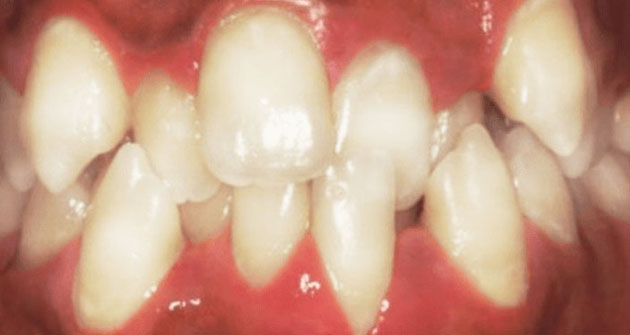
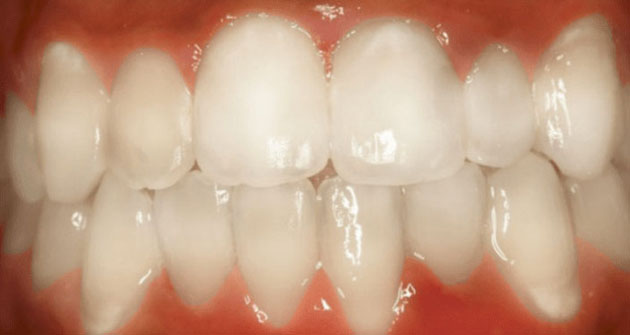
Fastbraces® Technology allows for shorter treatment time and amazing results. The Fastbraces® Technology patented bracket design uses unique, triangular shaped braces that allow for the use of just one super-elastic nickeltitanium wire during the treatment process.

This brace technology works on an entirely different mechanical principle altogether. Historically, old braces would move the crown of the tooth in the first year, and the root of the tooth in the second year.

The Fastbraces® Technology helps move the crown and root of the teeth at the same time, from the beginning of the treatment. Patients can now get results often with less sensitivity, in about a year, and in some instances, just 3 months!

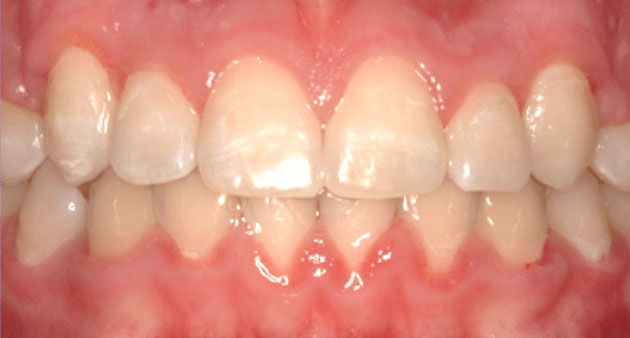
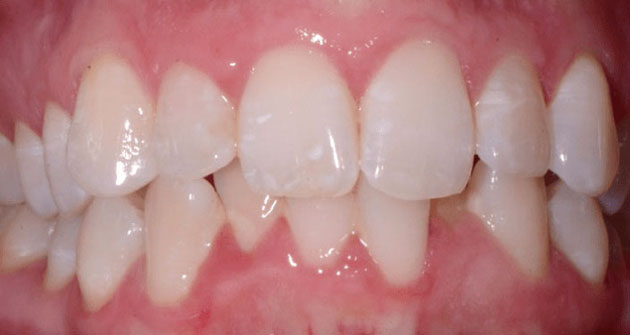
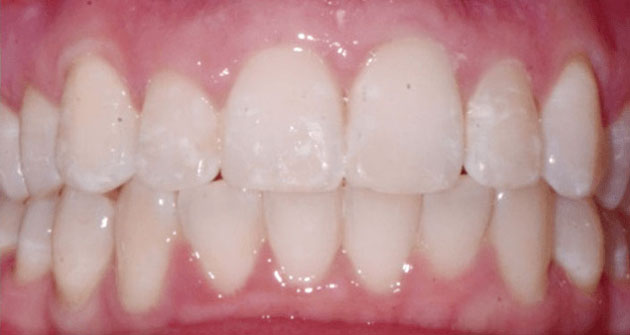
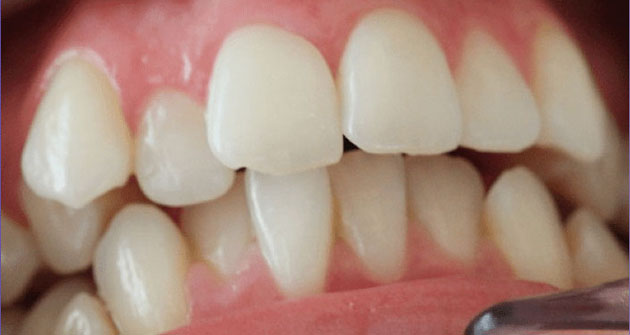
Fastbraces Transformations

Before
After
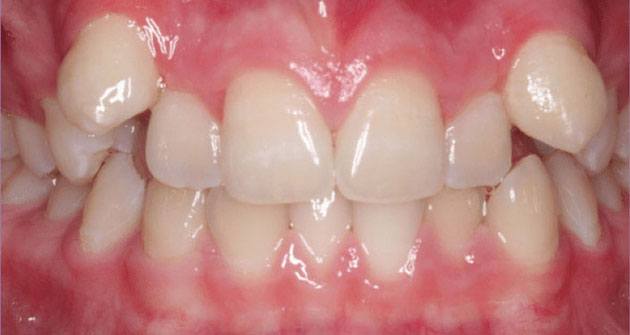
Before treatment 1 Before
After treatment 1 After
 
Before treatment 2 Before
After treatment 2 After
 
Before treatment 3 Before
After treatment 3 After
 
Before treatment 4 Before
After treatment 4 After


Well aligned teeth go a long way towards enhancing your smile. Teeth that are crocked increase the risk of gum disease and worn teeth. Aligning your teeth decreases the likelihood of costly dentistry in the future. Invisalign® is an alternative to braces that consists of a series of almost invisible aligners that gradually move your teeth to the required position. This treatment is individualised for each patient and is planned by your dentist.

Invisalign® gives you the opportunity to visualise the final position and stages in between prior to treatment commencing.

More Info [Invisalign® website] ...

Our general dentistry services are designed to help patients maintain healthy teeth and gums through preventive, restorative, and ongoing dental care. We provide comprehensive dental exams to identify potential issues early, including tooth decay, gum disease, and oral health concerns. Regular examinations include digital Xrays, oral cancer screenings, and personalised treatment plans to support long-term oral health.

Professional dental cleans are an important part of preventive care, helping remove plaque, tartar, and surface stains that daily brushing and flossing cannot always reach. Routine cleans assist in preventing cavities, gum disease, and bad breath while keeping your smile looking its best.

We also offer high-quality dental fillings to restore teeth affected by decay, wear, or minor damage. Tooth-coloured filling materials are used to achieve a natural appearance and restore strength and function.

For patients requiring restorative treatment, crowns and bridges provide durable solutions for damaged or missing teeth. Crowns help protect weakened teeth, while bridges replace missing teeth to improve chewing, appearance, and alignment. We use the latest technology to enable a seamless experience for you so you are back to normal as soon as possible.

Our denture services include full and partial dentures designed to restore comfort, confidence, and everyday function with a natural-looking smile.

Cosmetic dental treatments use a variety of techniques to restore or improve the appearance of teeth, gums and/or bite.

They can include:

  • Teeth whitening

  • Porcelain veneers

  • Composite bonding

  • Laminates

  • Braces

  • Gum reshaping

  • Dentures

  • Crowns

Sometimes, orthodontic treatment is used to straighten or move your teeth to improve their appearance or function. It can also help to keep your teeth and gums healthy by spreading the pressure of your bite out evenly. Straight teeth are easier to clean and are less vulnerable to tooth decay and gum disease.

If you are unsure what will work best for you, please don’t hesitate to ask our professional and friendly staff, who will be very happy to advise.

Injury or Tooth Decay

Anyone who is missing one or more teeth, even at the back, due to injury or tooth decay may be a candidate for dental implants.

When a tooth is removed, the surrounding teeth begin to move or tilt, which in turn can lead to decay, gum disease, and jaw problems. There maybe a loss of muscle tone, which may result in the skin appearing ‘saggy’. Replacing the tooth into the bone with a dental implant allows the muscle to become stronger and the bone to revitalise. This allows the facial skin to expand, looking smoother.

Artificial Tooth Root

A dental implant is an artificial tooth root, a metal rod – usually made from titanium – that has an internal screw or clip. It fits directly into your jawbone the same way that roots support natural teeth. Over several months, your jawbone will fuse with the titanium rod. Dentures, crowns or bridges can be attached to the implant to replace your missing teeth.

Proceedure

Having dental implants will require at least one minor operation.

  1. The first step involves placing small screw-like fixtures, which can be considered your new dental roots. The gum tissue is replaced over the implant after it has been positioned precisely into the bone. The procedure is performed under local anesthesia and is generally not painful.
  2. The implant is then left to naturally bond to the bone for a period of three to six months. Once bone bonding is complete the joint between implant and bone is strong enough, the implant is uncovered in a second procedure and attachments made to the titanium screw that protrude slightly through the gum.
  3. The final treatment is the attachment of the visible tooth structure.

Take the fear out of dentistry

IV sedation is a state-of-the-art technique which takes the fear out of dentistry and makes dental treatment a very pleasant experience. Whether you are having a filling, root canal or extraction, you can have this done and more than likely have no memory of it. IV sedation helps you to relax.

Dental treatment can be carried out comfortably

The technique involves injecting a small amount of sedative into a vein in the arm. The patient becomes very relaxed and drowsy and the dental treatment can be carried out quite comfortably. Local anaesthetic injections are necessary, but these may cause only minor discomfort.

Because of the forgetfulness produced by these sedative agents patients may think that they have been asleep for most of the treatment. In reality, you remain conscious throughout. You will also be able to understand and respond to requests from your dentist. However, you may not remember much (or anything at all) about what went on.

Because it takes 24 hours for the effects of the sedative to wear off, patients must be accompanied by an adult to drive them home afterwards.